Lee Cronin & James Wan Reimagine Horror with ‘Lee Cronin’s The Mummy’
“For dust you are.” That haunting line sets the tone for Lee Cronin’s The Mummy, a bold and unsettling reimagining of one of horror’s most iconic legends, arriving only in theaters April 17, 2026.
Fresh off the massive success of Evil Dead Rise, filmmaker Lee Cronin teams up with horror powerhouse James Wan to deliver a version of The Mummy unlike anything audiences have seen before—one that leans fully into psychological terror rather than action spectacle.
At its core, the film follows a deeply emotional and disturbing premise: when a journalist’s young daughter disappears in the desert, hope fades with time. But eight years later, her sudden return—seemingly miraculous—quickly spirals into something far more sinister, turning a family reunion into a waking nightmare.
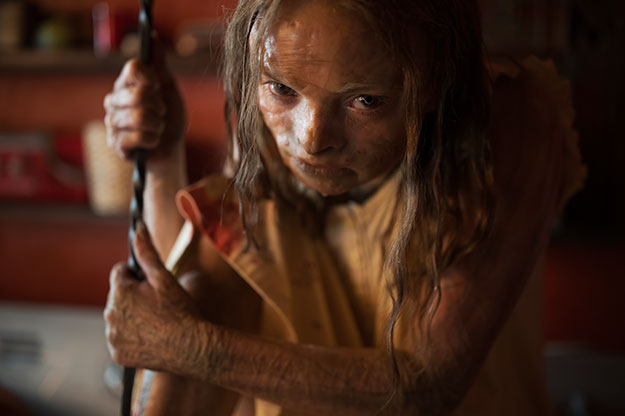
Speaking with Entertainment Affair’s Raffael Alejandro, Wan explained that the goal was clear from the beginning: strip away the adventure elements audiences have come to expect and return the story to its horror roots. Inspired by classic monster cinema, the filmmakers set out to create something grounded, terrifying, and emotionally resonant—more in line with the eerie legacy of early monster films than modern blockbuster reboots.
Cronin echoed that vision, emphasizing authenticity as the foundation of the film. By building a believable family dynamic first, the horror becomes even more effective. The terror doesn’t just come from the supernatural—it’s rooted in the emotional devastation of a family trying to understand what has happened to their child. That human core allows the film to balance intense horror with raw, character-driven drama.
That balance is also reflected in the film’s cultural scope. Spanning elements of Egypt, Mexico, and North America, the story organically blends different backgrounds and traditions, grounding its supernatural mythology in something that feels both global and intimate. The casting—including Jack Reynor, Laia Costa, May Calamawy, Natalie Grace, and Veronica Falcón—further reinforces that authenticity, bringing emotional weight and cultural depth to the story.
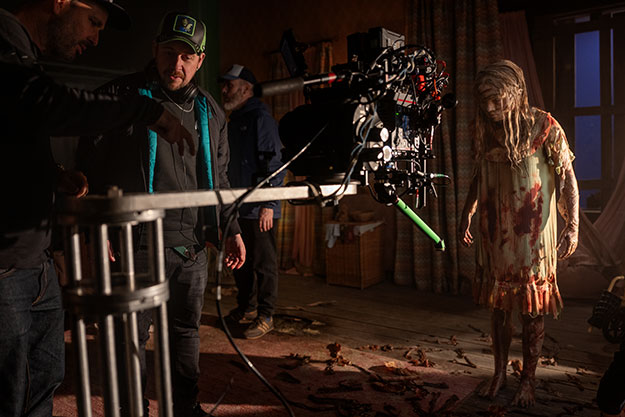
And make no mistake—this version of The Mummy does not hold back. Wan admitted there were moments during production where even he questioned the film’s intensity, only for Cronin to push things further. The result is a relentless horror experience designed to shock, unsettle, and linger long after the credits roll.
Ultimately, Lee Cronin’s The Mummy isn’t trying to recreate what came before—it’s carving out something entirely new. A horror-first, emotionally grounded, and culturally layered take that dares to ask: what if the scariest part of the story isn’t the monster… but what it does to the people who love it?